Downham Station bulky rubbish collection made simple
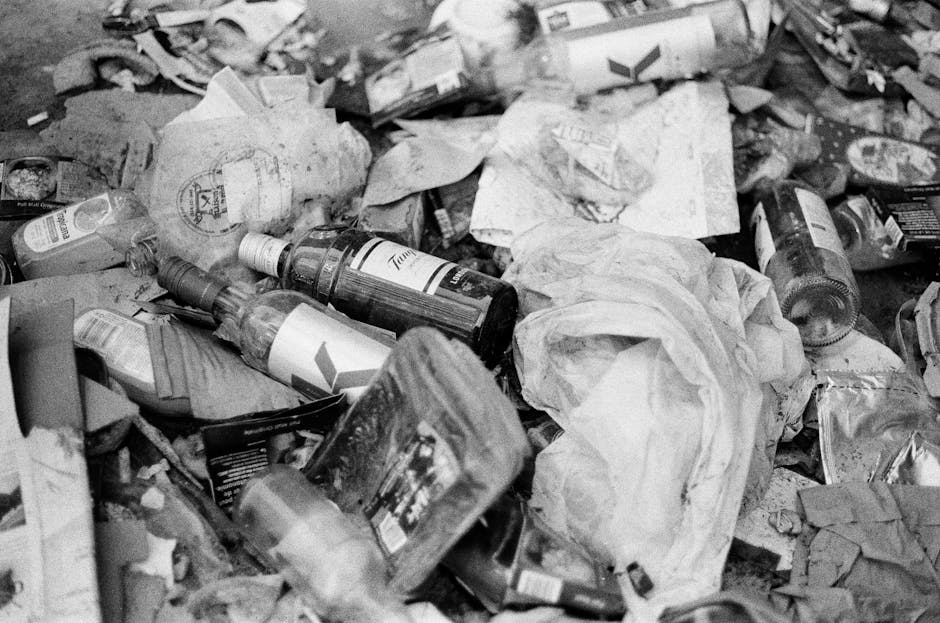
If you have an old wardrobe leaning in the hallway, a broken sofa taking up half the front room, or a pile of bulky waste that has quietly become everyone's problem, you are not alone. Downham Station bulky rubbish collection made simple is really about taking a messy, awkward job and turning it into something predictable, safe, and manageable. No drama. No endless back-and-forth. Just a clear route from "I need this gone" to "that space is usable again".
In practice, the best bulky waste solution depends on what you're getting rid of, how much of it there is, and how quickly you need it removed. Some people only need a single item lifted. Others are dealing with post-move clutter, a full garage clear-out, or renovation waste that won't fit in the car even if you tried. This guide walks through the whole process, from choosing the right removal method to avoiding the usual headaches.
For many households and small businesses, the answer is not just about speed. It's about convenience, compliance, and making sure the waste goes where it should. If you want to understand the options properly, start with the basics of rubbish removal and domestic skip hire, then decide what fits your situation best.
Why Downham Station bulky rubbish collection made simple Matters
Bulky waste is rarely just "a few bits and pieces". It tends to be awkward, heavy, dusty, and inconvenient at exactly the wrong time. A sofa won't fit in the car. A mattress is difficult to move alone. A fridge or appliance is bulky, heavy, and often not something you want sitting around in the rain for another week. The result? Rooms stay cluttered, access gets blocked, and a simple job becomes one of those tasks you keep putting off.
That delay matters more than people think. In a family home, bulky items can become a trip hazard or stop you from using a room properly. In a rental property, they can make a handover look unfinished. On a worksite or in a commercial unit, they can get in the way of daily operations. And let's be honest, nobody enjoys staring at a broken cupboard every morning and thinking, "I'll sort that later."
Done properly, a collection service helps you clear space quickly without lifting, hiring a van, or making multiple trips to a disposal point. It also helps you separate reusable, recyclable, and non-recyclable material in a more responsible way. That matters if you care about keeping things tidy, keeping people safe, and not turning a one-off clear-out into a weekend lost to heavy lifting.
There is also a trust angle here. A proper bulky rubbish service should be clear about what can be taken, how it will be handled, and whether anything needs special treatment. For items that need more than a standard pickup, it is worth checking related services such as fridge and appliance removal or mattress and sofa disposal. A good provider will help you choose the cleanest route rather than pushing a one-size-fits-all answer.
Practical takeaway: the best bulky waste collection is not simply the fastest one. It is the one that fits the item, the space, and the level of effort you want to spend.
How Downham Station bulky rubbish collection made simple Works
The process is usually straightforward, though the best services make it feel even easier than that. You identify the items, confirm what needs removing, choose the collection method, and agree on a time. From there, the waste is lifted, loaded, and taken away for sorting or disposal. Simple on paper, yes. But the details matter.
Most bulky collections start with a description of the waste. Is it a single bulky item, a roomful of furniture, or a mix of household clutter and renovation debris? Are there stairs? Tight hallways? A narrow front path? These details affect the method, the time needed, and sometimes the price. If you are not sure what counts as bulky waste, have a look at what can go in a skip for a useful sense of the boundaries, even if you are leaning towards a direct collection rather than a skip.
Depending on your needs, the job may be handled through a van-based collection, a wait-and-load arrangement, or a skip-based solution. For example, if the waste is already piled up in a driveway and you just want it gone quickly, wait and load skip hire can be very efficient. If the items are being removed from a building with limited parking or access, a flexible option like man and van may be more practical. If the job is larger still, then a skip or grab-style service could make more sense.
You will also notice that some services are better for mixed waste than others. That's normal. Builders' rubble, garden cuttings, old furniture, and office junk are not all the same thing. For heavier or site-based projects, related options like grab hire services and builders skip hire can be a better fit than a simple one-off collection.
Key Benefits and Practical Advantages
The obvious benefit is getting rid of clutter, but the real value goes deeper than that. A well-organised bulky rubbish collection saves time, reduces physical strain, and helps you move on with the rest of the project. You stop planning around the waste and start using the space again.
- Less heavy lifting: You avoid dragging large items to the car or wrestling them down the stairs yourself.
- Quicker turnaround: A planned collection can remove an item or load in one visit rather than several trips.
- Better space recovery: A cleared room feels different immediately. Cleaner. Brighter. More useful.
- Reduced stress: No guessing whether the local tip will take everything or whether you'll need extra help.
- Safer handling: Bulky items can be awkward and risky to move without the right approach.
- More responsible disposal: Good waste services sort materials appropriately and divert recyclable items where possible.
Another advantage is flexibility. Not every property has generous access, and not every job is tidy. Maybe the old wardrobe is in the top bedroom. Maybe the front garden is narrow. Maybe the waste is spread between a shed, a loft, and a garage. A decent collection plan adjusts to the real situation rather than pretending the ideal version of the job is what you've got. That sounds obvious, but in the real world it makes all the difference.
If your bulky waste is part of a larger clear-out, it can be worth comparing it with a more complete clearance service. For example, house clearance may suit larger domestic jobs, while garage and loft clearance is a better match when the mess has accumulated in one part of the property. For business premises, office clearance may be more appropriate than a single-item collection. Different jobs, different tools. That's the sensible way to do it.
Who This Is For and When It Makes Sense
Bulky rubbish collection is for anyone who has items that are too large, too awkward, or too numerous for normal household disposal. It often makes sense when the waste is physically hard to move, time is tight, or access to a vehicle is limited. In short: if the task is turning into a mini project, you probably need a proper plan.
Common users include:
- Households replacing furniture or clearing spare rooms
- Landlords between tenancies
- People moving home and dealing with unwanted items
- Families tackling loft, garage, or shed clutter
- Small businesses clearing broken fixtures or old stock
- Tradespeople with mixed non-hazardous waste after a job
It also makes sense when you only have a small amount of waste but it is unusually difficult to handle. A single sofa can be a surprisingly big job if you live upstairs with tight corners. A fridge can be even worse. And if you are dealing with a last-minute move-out or a tenant handover, the clock can start feeling very loud. Tick, tick, tick.
For bigger or more complicated situations, a broader service can be easier to manage. If you have building waste, take a look at builders waste removal or construction waste disposal. If the site is being stripped back, site clearance may be a better fit. And if the waste is spread across a business location, commercial skip hire can be the more practical choice.
Step-by-Step Guidance
If you want Downham Station bulky rubbish collection made simple in the truest sense, break it into steps. The job gets much easier once you stop treating it as one huge thing.
- List the items clearly. Write down what needs removing. Include size, number of pieces, and whether anything is especially heavy or fragile.
- Check access. Think about stairs, narrow hallways, parking, and whether items need to be carried through the property.
- Separate what should stay. It sounds basic, but items can get mixed in during a clear-out. Mark anything you want kept.
- Identify restricted waste. Certain items need specialist handling. If you are unsure, check guidance such as hazardous waste disposal.
- Choose the right method. For fast single-load removal, a van-based or wait-and-load option may work. For larger volumes, compare skip options using skip sizes and prices.
- Confirm timing and loading rules. Make sure you know whether the items need to be ready at the kerb, in the driveway, or inside the property.
- Prepare the space. Clear a route, move smaller objects out of the way, and protect floors if needed.
- Complete the handover. Walk through what is being removed before the collection starts. A quick check now saves awkwardness later.
A small tip from real-life experience: take a few photos before the collection if the load is complicated. Nothing dramatic. Just a quick record. It helps everyone stay aligned, especially if the waste is spread across several rooms or there are items with mixed material components.
If you want a quote or need to compare options, the pricing pages can help you narrow things down before you book. It is often quicker to get a realistic answer up front than to guess and hope. Hope is not a waste strategy, after all.
Expert Tips for Better Results
Good bulky waste collections usually come down to preparation. Not over-preparation. Just enough to make the job smooth.
- Group similar items together. Furniture with furniture, small appliance items together, loose rubbish in one place.
- Remove personal items first. Drawers, cupboards, and old wardrobes have a habit of hiding useful things.
- Measure large items if you can. A rough width and height can help avoid access problems on the day.
- Ask about mixed loads. If your bulky waste includes both furniture and general rubbish, confirm whether it will be accepted together.
- Keep hazardous items separate. Paint, chemicals, batteries, and other restricted waste should never be casually lumped in.
- Plan for the weather. A wet morning can make cardboard, fabric, and soft furnishings heavier and messier than expected.
One thing people often overlook is how much faster the job becomes when the route is clear. Even an extra bag of shoes or a stack of magazines on the stairs can slow everything down. It's not glamorous, but it is the sort of detail that makes a collection feel calm instead of chaotic.
If security matters, especially for business waste or sensitive documents mixed into a clear-out, you may also want to review confidential shredding. Not every collection needs it, of course. But for office clear-outs, it can be a useful extra safeguard.
Common Mistakes to Avoid
Most bulky waste problems are avoidable. The trick is spotting the common traps before they slow you down.
- Leaving it until the last minute. The later you leave it, the more likely it becomes a rushed and expensive job.
- Underestimating access issues. A clear path is one thing. A clear path with a narrow turn and three flights of stairs is another.
- Mixing prohibited items into the load. This can create delays and may stop the collection from going ahead as planned.
- Choosing the wrong service type. A small van job, a skip, and a grab lorry are not interchangeable. They each solve different problems.
- Assuming everything can be collected the same way. Large household furniture, appliances, and waste from renovations often need different handling.
- Forgetting about permits or parking limits. If a skip or collection vehicle needs to be placed on the road, check the requirements first.
To be fair, this is where many people get caught out. They think the waste is the issue, but often it is the logistics. The front garden gate, the tight parking bay, the low wall, the narrow stairwell. That is where the day changes. So check the practical stuff early and save yourself the grief.
If you think you may need a skip on a public road, review skip hire permits or skip permits before you book. That small bit of homework can prevent a surprisingly awkward delay.
Tools, Resources and Recommendations
You do not need specialist equipment for every bulky rubbish job, but a few simple tools make things much easier. A tape measure, gloves, a torch for lofts or sheds, and a roll of strong tape can save time. A dolly trolley or sack truck can also help if you are moving smaller heavy items before collection. Nothing fancy. Just useful.
For planning purposes, the most helpful resources on the site are the ones that answer practical questions directly. Start with skip hire if you want the broadest overview. Use skip sizes and prices to understand how much waste different containers can handle. If you want a more flexible way to lift and load, compare that with grab lorry hire and man and van.
For specialist items, the most relevant pages are the ones that keep the process safe and simple:
- fridge and appliance removal for white goods and similar items
- mattress and sofa disposal for furniture that is hard to handle
- waste recycling services if you want to understand what happens after collection
- recycling and sustainability for a wider view of responsible disposal
If you are still weighing up the best route, it is worth taking ten minutes to compare the material, the volume, and the access. That tiny pause usually leads to a much better decision. Funny how often that works.
Law, Compliance, Standards, or Best Practice
When bulky waste is involved, the legal and practical rules are not something to brush aside. The exact requirements can vary depending on the type of waste and how it is being collected, but a few broad best-practice points always apply.
First, you should never mix hazardous items into a normal household load unless the service specifically accepts and handles them. Items such as chemicals, asbestos-containing materials, gas cylinders, and certain electrical components may require separate arrangements. If in doubt, treat them cautiously and ask before collection. That is the safe route, and usually the sensible one too.
Second, waste should be handled by a provider that understands proper disposal and recycling. In the UK, responsible operators keep an eye on segregation, transport, and documentation where needed. You do not need to manage every detail yourself, but it helps to choose a service that is clear about how waste is dealt with and that has proper safety practices in place. Pages like health and safety policy and insurance and safety are good signs that a business takes those duties seriously.
Third, if you are placing a skip on a public road or pavement area, permits may be needed. Not every collection requires this, but it is one of those things people only think about after the skip has arrived. Avoid that scramble. Check the details beforehand.
Finally, if your bulky rubbish is connected to a building project, demolition, or strip-out, best practice is to keep waste streams tidy and avoid dumping everything together. That makes disposal safer, cleaner, and often more efficient. For example, builders' waste, demolition debris, and mixed site waste may be better managed through builders waste removal, demolition waste removal, or construction waste clearance depending on the job.
In short: follow the simple rules, keep hazardous material separate, and choose a provider that treats waste responsibly. That's the standard you want.
Options, Methods, or Comparison Table
There is no single "best" way to handle bulky rubbish. The right method depends on access, volume, timing, and the type of waste. Here is a simple comparison to help you choose.
| Method | Best for | Strengths | Watch-outs |
|---|---|---|---|
| Van-based collection | Single items, small loads, quick clear-outs | Flexible, handy for awkward access, usually fast | Not ideal for very large volumes |
| Wait-and-load | Driveways, roadside access, fast same-day style jobs | No need to keep a skip for days, efficient loading | Needs the waste ready when the vehicle arrives |
| Skip hire | Ongoing projects, mixed bulky waste, larger amounts | Good capacity, useful for gradual loading | May need a permit and a suitable parking space |
| Grab hire | Heavier waste, site clearances, larger mixed loads | Fast collection of substantial material | Needs clear vehicle access |
If you are still unsure, start with the most practical question: where is the waste now, and how easy is it to reach? That answer usually narrows the choice very quickly. A tight hallway points one way. A driveway full of clutter points another. A large renovation pile points somewhere else entirely.
Case Study or Real-World Example
A typical example is a household clearing out a front bedroom and garage at the same time. The room contains an old mattress, a wardrobe, two chairs, and several bags of mixed clutter. The garage has broken shelves, leftover packaging, and a heavy appliance that has stopped working. None of it is huge on its own, but together it creates a proper job.
In a situation like that, the first step is to separate the items by type. The mattress and sofa-style furniture need one approach. The appliance may need a dedicated removal service. The mixed clutter could be bundled for collection, while any items that are still useful can be kept aside for reuse or donation. If the access is good and the load is ready, a van-based collection may be the simplest answer. If the waste is more spread out, a skip or grab option could be smoother.
The interesting part is usually not the lifting. It is the sorting. Once the customer sees the waste grouped properly, the whole project feels less overwhelming. I've seen that moment many times: the room looks worse before it looks better, then after the collection there is this obvious sense of relief. Light comes back in. You can hear the room again. Bit dramatic, maybe, but true.
In another common scenario, a small office is clearing out old desks, filing cabinets, and a few boxes of confidential paperwork. That job may need a mix of office clearance and confidential shredding. Different waste, different handling. Simple once you break it down, but easy to get wrong if you try to do everything in one pile.
Practical Checklist
Use this checklist before arranging your collection. It keeps the job moving and reduces surprises on the day.
- Identify every bulky item that needs removing
- Check whether any item needs specialist handling
- Measure large items if access is tight
- Clear a path from the item to the exit
- Separate items you want to keep
- Move confidential or sensitive material aside
- Confirm whether the waste is mixed, heavy, or awkward
- Ask whether a permit may be needed for roadside placement
- Choose the right service type for the load
- Prepare the collection point before the team arrives
- Keep pets, children, and bystanders away from lifting areas
- Review the provider's waste handling and safety information
If you can tick off most of those points, you are in good shape. If not, no panic. Just pause, sort the load, and make the next step a little clearer.
Get a free quote today and see how much you can save.
Conclusion
Downham Station bulky rubbish collection made simple is really about reducing friction. You want the unwanted items gone, the space back, and the process to feel calm rather than chaotic. Whether you are clearing one heavy item or a full mix of household clutter, the right approach comes from understanding the load, the access, and the level of urgency.
The good news is that bulky waste is rarely as complicated as it first appears. Once you separate the items, choose the right method, and prepare the space, the rest usually follows pretty smoothly. And if you are dealing with a more specific type of waste, the right supporting service can make a big difference too.
When you are ready, take the next step with confidence. A tidy space changes how a home or business feels, and sometimes that matters more than people expect. There's a bit of relief in it. A proper reset.
Frequently Asked Questions
What counts as bulky rubbish?
Bulky rubbish usually means large or awkward household items such as sofas, beds, wardrobes, appliances, or other objects that are too big for normal bin collection.
Is bulky rubbish collection better than hiring a skip?
It depends on the job. A collection service is often better for single items or awkward access, while a skip can be more useful for bigger ongoing clear-outs.
Can I mix furniture and general rubbish in the same collection?
Often yes, but it depends on the provider and the type of waste. Mixed loads should be described clearly so the correct method can be chosen.
What should I do with old fridges, freezers, or appliances?
These items are often best handled through a dedicated appliance removal service because they can need special treatment during transport and disposal.
Do I need a permit for bulky rubbish collection?
Usually not for a van-based collection, but a permit may be required if a skip or vehicle is placed on a public road. It is best to check before booking.
How do I prepare for a bulky rubbish pickup?
Clear a path, separate items you want to keep, identify anything hazardous, and make sure the waste is ready to be loaded when the team arrives.
Can bulky waste be collected from upstairs rooms?
Yes, in many cases. Upstairs collections are common, but access, stair width, and the weight of the item all affect how the job is managed.
What items cannot go in a standard bulky waste collection?
Hazardous items, chemicals, and certain restricted materials may not be allowed. If you are unsure, check the provider's guidance before placing them out for collection.
Is same-day bulky rubbish collection possible?
Sometimes, yes. Availability depends on location, load type, and the schedule on the day, so it is worth asking as early as possible.
How do I choose between man and van, grab hire, and skip hire?
Think about access, quantity, and timing. Man and van suits smaller or awkward jobs, grab hire works well for heavier loads, and skip hire is useful for larger, ongoing projects.
What happens to the waste after collection?
It is usually sorted for reuse, recycling, or disposal depending on the material type. Responsible waste handling is a key part of any good collection service.
How can I keep the cost down?
Sort the waste in advance, choose the right collection method first time, and make sure access is clear. A little preparation can save a lot of wasted effort.